Your Second Brain Speaks: The Surprising Ways Gut Bacteria Influence Memory, Mood, and Mental Clarity
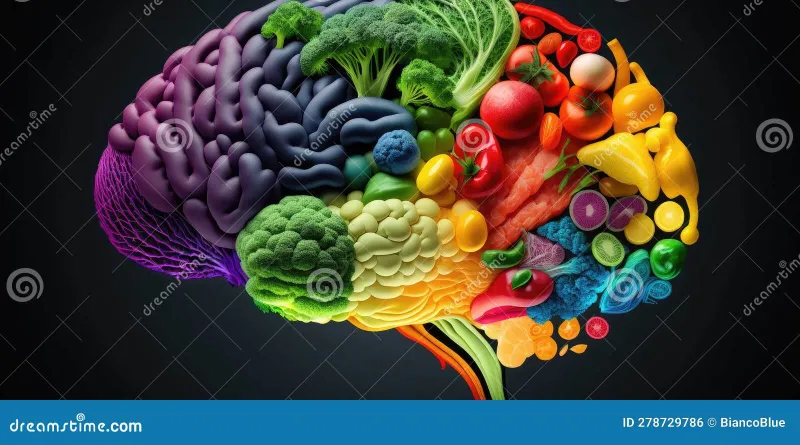
Photo: healthy gut food brain connection colorful vegetables fermented foods wellness, via thumbs.dreamstime.com
For most of medical history, the brain was considered a sovereign organ—insulated, self-sufficient, and largely independent of the messy biological processes occurring in the digestive tract. That model has been quietly dismantled over the past two decades. What has replaced it is a far more interconnected picture: one in which the approximately 38 trillion microbial organisms residing in the human gut maintain a continuous, bidirectional dialogue with the central nervous system, influencing everything from stress reactivity and memory formation to the risk of neurodegenerative disease.
This communication pathway—known as the gut-brain axis—has become one of the most active frontiers in neuroscience, and its implications for everyday brain health are both profound and, for most Americans, almost entirely unaddressed.
The Architecture of the Gut-Brain Conversation
The gut and brain are connected through multiple overlapping channels, none more direct than the vagus nerve—a sprawling cranial nerve that runs from the brainstem to the abdomen and carries signals in both directions. Approximately 80 to 90 percent of vagal fibers are afferent, meaning they transmit information from the gut to the brain, rather than the other way around. In practical terms, the gut is constantly reporting to the brain, and the nature of that report depends heavily on the microbial composition of the intestinal environment.
Beyond the vagus nerve, gut microbes communicate with the brain through at least three additional mechanisms:
-
Neurotransmitter synthesis. The gut microbiome produces or stimulates the production of a remarkable range of neuroactive compounds. An estimated 90 to 95 percent of the body's serotonin is synthesized in the gastrointestinal tract, with microbial activity playing a direct regulatory role. Certain bacterial strains also influence the production of gamma-aminobutyric acid (GABA), dopamine precursors, and short-chain fatty acids (SCFAs) that modulate neuronal function.
-
Immune system modulation. Roughly 70 percent of the immune system is housed in the gut. The microbiome regulates immune signaling pathways that, when dysregulated, produce systemic and neuroinflammation—a condition increasingly implicated in depression, cognitive impairment, and accelerated brain aging.
-
The hypothalamic-pituitary-adrenal (HPA) axis. Microbial diversity has been shown to influence cortisol regulation and stress reactivity via the HPA axis. Disruptions to the microbiome—a state called dysbiosis—are associated with heightened stress responses and altered emotional processing.
What Dysbiosis Does to the Brain
Dysbiosis, the imbalance of microbial communities in the gut, is remarkably common in the United States, where diets high in ultra-processed foods, low in dietary fiber, and frequently disrupted by antibiotic use have altered the microbial landscape of the average American gut. The cognitive and neurological consequences of this disruption are the subject of rapidly expanding research.
Neuroinflammation is among the most significant downstream effects. When gut barrier integrity is compromised—a condition colloquially referred to as "leaky gut"—microbial byproducts including lipopolysaccharides (LPS) can enter systemic circulation and cross the blood-brain barrier, triggering inflammatory responses in neural tissue. Chronic low-grade neuroinflammation has been associated with impaired hippocampal neurogenesis, reduced synaptic plasticity, and an elevated risk of Alzheimer's disease and major depressive disorder.
A 2019 study published in Nature Microbiology found that specific bacterial genera—including Coprococcus and Dialister—were consistently depleted in individuals diagnosed with depression, even after controlling for antidepressant use. Conversely, higher microbial diversity was positively correlated with measures of psychological well-being and cognitive resilience.
Animal studies, while not directly translatable to human outcomes, have provided mechanistic clarity. Germ-free mice—raised without any gut microbiota—exhibit profound deficits in spatial memory, heightened anxiety-like behavior, and altered hippocampal gene expression. When these animals receive fecal microbiota transplants from healthy donors, many of these deficits are partially reversed, a finding that has accelerated interest in microbiome-targeted therapies for cognitive and psychiatric conditions.
Memory, Focus, and the Microbial Connection
The relationship between gut health and memory is increasingly well-documented. SCFAs—particularly butyrate, propionate, and acetate—are produced when gut bacteria ferment dietary fiber. Butyrate, in particular, has attracted considerable scientific attention for its neuroprotective properties. It functions as a histone deacetylase inhibitor, a mechanism that promotes the expression of brain-derived neurotrophic factor (BDNF), a protein essential for the growth and maintenance of neurons and the consolidation of long-term memories.
Research from the University of California, Los Angeles has linked higher BDNF levels with improved performance on tests of verbal memory and learning, while declining BDNF—associated with aging, chronic stress, and, notably, reduced dietary fiber intake—correlates with accelerated hippocampal atrophy.
Attentional function is also affected. The gut-brain axis influences the availability of dopamine precursors and the regulation of the locus coeruleus, a brainstem nucleus that governs arousal and sustained attention. Individuals with irritable bowel syndrome (IBS), a condition closely associated with dysbiosis, report significantly higher rates of brain fog, attentional difficulties, and working memory complaints—symptoms that frequently improve alongside gastrointestinal treatment.
Practical Steps Supported by Microbiome Research
While the science is still maturing, the existing evidence is sufficient to inform meaningful dietary and lifestyle adjustments. The following recommendations are grounded in peer-reviewed research and are accessible within the context of everyday American life:
Prioritize Dietary Fiber Diversity
The single most consistently supported intervention for microbiome health is increasing dietary fiber—particularly from diverse plant sources. The American Gut Project, one of the largest citizen science studies of the human microbiome, found that individuals who consumed 30 or more distinct plant foods per week had significantly greater microbial diversity than those consuming fewer than 10. Practical strategies include rotating vegetables, incorporating legumes, and choosing whole grains over refined alternatives.
Incorporate Fermented Foods
Fermented foods such as plain yogurt, kefir, kimchi, sauerkraut, and miso introduce live bacterial cultures that can temporarily enrich gut microbial populations. A randomized controlled trial from Stanford University published in Cell in 2021 found that a high-fermented-food diet increased microbiome diversity and reduced markers of immune activation more effectively than a high-fiber diet alone.
Limit Ultra-Processed Food Consumption
Ultra-processed foods—prevalent in American grocery aisles and fast-food culture—are associated with reduced microbial diversity, increased intestinal permeability, and elevated inflammatory markers. Reducing consumption of foods high in emulsifiers, artificial sweeteners, and refined sugars supports both gut barrier integrity and the microbial balance required for healthy neurotransmitter production.
Manage Chronic Stress Actively
The gut-brain axis is bidirectional, and psychological stress measurably alters microbial composition via cortisol and catecholamine signaling. Consistent stress management practices—including physical exercise, adequate sleep, and evidence-based mindfulness techniques—support gut health as a downstream benefit, closing a reinforcing loop between mental and microbial well-being.
Be Judicious With Antibiotic Use
Antibiotics, while medically essential when indicated, cause significant disruptions to microbial diversity that can persist for months or years. When antibiotics are necessary, discussing probiotic co-administration and post-treatment dietary strategies with a healthcare provider may help mitigate prolonged dysbiosis.
A New Framework for Brain Health
The gut-brain axis does not diminish the brain's complexity—it expands it. Understanding that cognitive performance, emotional regulation, and neurological resilience are shaped in part by the microbial ecosystem of the digestive tract invites a more integrative approach to brain health, one that extends beyond traditional interventions like sleep hygiene and cognitive training to encompass the dinner plate and the diversity of the internal microbiome.
For Americans navigating an environment saturated with processed food, chronic stress, and antibiotic exposure, the implications are both sobering and actionable. The bacteria in your gut are not simply digesting your meals—they are, in ways science is only beginning to fully map, helping to shape the mind doing the thinking.