Adenosine, Dopamine, and the Daily Cup: The Hidden Neuroscience of Your Caffeine Dependency
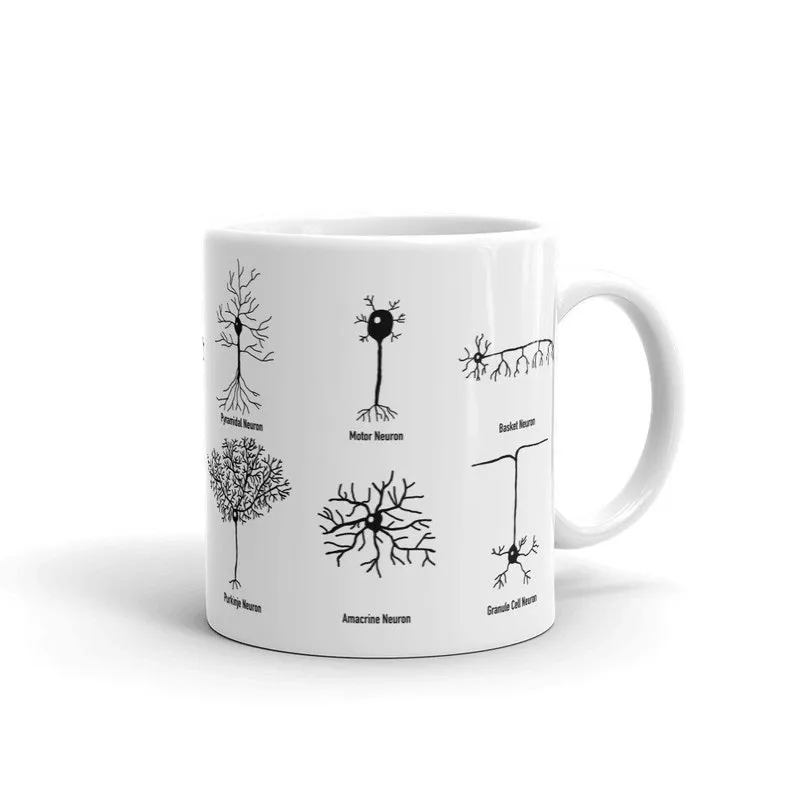
Photo: coffee cup brain neurons science laboratory, via i.etsystatic.com
For roughly 90 percent of American adults, the day does not truly begin until caffeine enters the picture. Whether it arrives via a carefully pulled espresso shot, a gas-station drip coffee, or a pre-workout energy drink, the ritual feels less like a choice and more like a biological necessity. For many people, that perception is neurologically accurate — and the reasons why reveal something profound about how the brain regulates energy, reward, and attention.
Caffeine is not simply a stimulant. It is a molecular impostor, a biochemical negotiator, and — depending on your genetics — either a reliable cognitive tool or a source of mounting neurochemical debt. The distinction matters enormously, and the science behind it is more nuanced than most headlines suggest.
The Adenosine Deception
To understand caffeine, you must first understand adenosine — the molecule your brain accumulates throughout every waking hour. Adenosine is a byproduct of neural activity, and as it builds up in the extracellular space of the brain, it binds to adenosine receptors and progressively signals fatigue. This is not malfunction; it is a carefully evolved mechanism designed to ensure that the brain demands rest after sustained effort.
Caffeine works by fitting into those same adenosine receptors without activating them. It is, in pharmacological terms, a competitive antagonist. By occupying the receptor, caffeine prevents adenosine from delivering its drowsiness signal. The result is a subjective sense of alertness — but here is the critical distinction: caffeine does not eliminate adenosine or reduce its production. The molecule continues to accumulate while caffeine holds the receptor hostage. When caffeine's effects eventually wear off, typically within four to six hours, adenosine floods the now-unblocked receptors all at once. That is the crash — not a depletion of energy, but a delayed reckoning.
This mechanism also explains why caffeine's effects feel diminished over time. Chronic caffeine exposure prompts the brain to upregulate adenosine receptor density, producing more receptors as a compensatory response. The brain, in effect, learns to work around the blockade. More receptors mean that baseline adenosine signaling is restored — but it also means that more caffeine is required to achieve the same level of blockade. Tolerance, in this context, is not psychological weakness. It is neuroplasticity working against the user's intentions.
The Dopamine Connection Nobody Talks About
Adenosine blockade is only part of the story. Caffeine also exerts meaningful influence over the dopaminergic system, the brain's primary reward and motivation circuitry. Adenosine receptors are co-located with dopamine receptors in several brain regions, including the striatum and the prefrontal cortex. When caffeine blocks adenosine activity, it indirectly enhances dopamine signaling in these areas — which is why caffeine does not merely reduce drowsiness but actively elevates mood and sharpens motivational drive.
This dopamine amplification is also what makes caffeine feel increasingly essential. Over time, the brain begins to associate the morning cup with a reliable dopamine signal. The anticipation itself — the smell of brewing coffee, the weight of a familiar mug — triggers a conditioned dopamine response before the caffeine has even been absorbed. The ritual becomes neurologically reinforced, blurring the line between preference and dependency in ways that functional MRI studies have begun to document with increasing precision.
Why Your Genes Determine Your Tolerance
Not everyone experiences caffeine the same way, and genetic research has clarified a significant portion of that variability. The CYP1A2 gene encodes an enzyme in the liver that is primarily responsible for metabolizing caffeine. Individuals who carry a specific variant of this gene — sometimes described informally as the "fast metabolizer" genotype — break down caffeine more efficiently, experience its effects for a shorter duration, and tend to tolerate higher doses without adverse cardiovascular or anxiety-related symptoms.
Conversely, individuals with the slow-metabolizer variant process caffeine more gradually. For them, a mid-afternoon cup may still be circulating through the central nervous system at bedtime, disrupting sleep architecture and contributing to the very fatigue that prompted the additional dose. Research published in the Annals of Internal Medicine and elsewhere has linked slow CYP1A2 metabolism to elevated cardiovascular risk at higher caffeine intakes — a finding that has particular relevance in a country where the average adult consumes approximately 300 milligrams of caffeine per day.
Direct-to-consumer genetic testing now makes CYP1A2 genotyping accessible to most Americans, offering a data-informed foundation for personal caffeine strategy rather than trial and error.
Timing as Neuroscience
Perhaps the most actionable insight from caffeine research concerns timing. Cortisol — the brain's primary alerting hormone — follows a predictable circadian rhythm, peaking in most individuals between approximately 8:00 and 9:00 a.m. Consuming caffeine during this cortisol peak does not meaningfully augment alertness; it simply adds a redundant stimulant signal while simultaneously blunting the brain's sensitivity to caffeine over time.
Neuroscientist Andrew Huberman and chronobiology researchers have both emphasized the value of delaying caffeine intake by 90 to 120 minutes after waking, allowing cortisol to complete its natural rise before introducing adenosine blockade. This approach preserves caffeine's effectiveness, reduces tolerance accumulation, and helps prevent the mid-afternoon energy valley that afflicts so many Americans who caffeinate early and heavily.
Similarly, establishing a consistent caffeine cutoff — ideally no later than early afternoon for average metabolizers — protects slow-wave and REM sleep architecture, both of which are critical for memory consolidation, emotional regulation, and the glymphatic clearance of metabolic waste from the brain.
Sustainable Alternatives and Complementary Strategies
For those seeking to reduce caffeine dependence without sacrificing cognitive performance, the neuroscience points toward several evidence-supported alternatives. L-theanine, an amino acid found naturally in green tea, modulates glutamate and GABA activity in ways that promote calm alertness without adenosine receptor interference. When combined with low-dose caffeine, L-theanine has been shown in multiple controlled trials to attenuate the anxiety and jitteriness that higher caffeine doses can produce, while extending the duration of focused attention.
Adaptogens such as rhodiola rosea influence the hypothalamic-pituitary-adrenal axis in ways that may support stress resilience and mental stamina, though the research base remains less robust than that supporting caffeine itself. Strategic napping — specifically 20-minute rest periods that avoid deep slow-wave sleep — has demonstrated measurable improvements in alertness and working memory performance in occupational studies, without generating the adenosine debt that caffeine merely postpones.
Perhaps most fundamentally, the quality of sleep itself remains the single most powerful determinant of next-day cognitive performance. No caffeine dosing strategy compensates fully for chronic sleep restriction, and the brain's adenosine system is, at its core, a biological argument for prioritizing rest.
Using Caffeine With Intention
Caffeine is not the enemy of a sharp mind. Used with neurological awareness — timed appropriately, dosed conservatively, and periodically cycled to restore receptor sensitivity — it remains one of the most well-studied and reliably effective cognitive tools available without a prescription. The problem is not the molecule; it is the mindless, reflexive consumption pattern that most Americans have inherited from a culture that conflates productivity with perpetual stimulation.
Understanding the adenosine system, respecting genetic variability, and recognizing the dopamine reinforcement loop that makes caffeine feel indispensable are not merely academic exercises. They are the foundation of a more deliberate relationship with one of the most widely consumed psychoactive substances on the planet — and the first step toward using it in service of the brain rather than at its expense.